

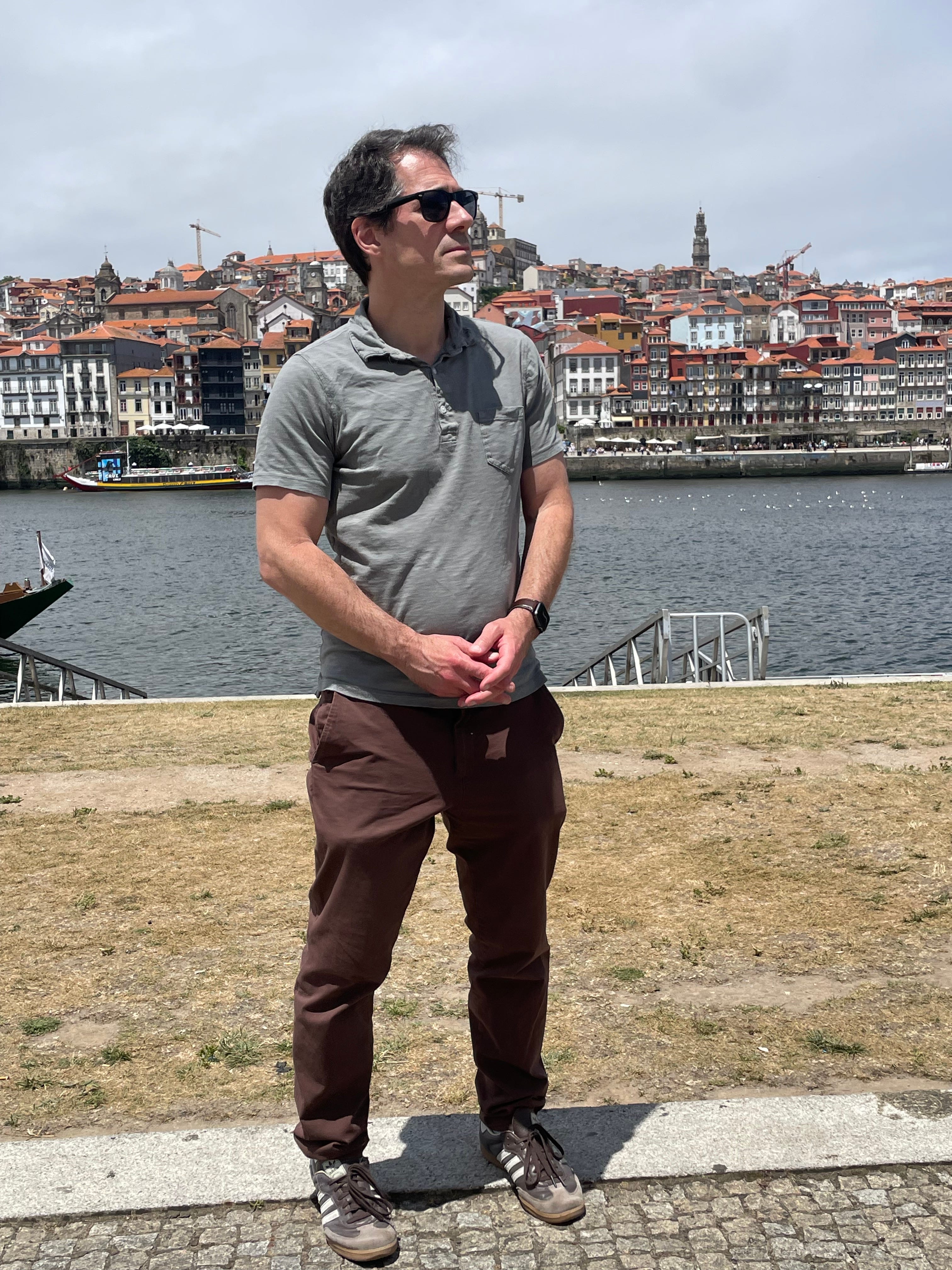
I figured Porto was a bucolic wine region populated by hearty Portuguese farmers forced to crush grapes with their feet by their British and Dutch masters at Churchill’s, Graham’s, Dow’s, and Cockburn’s.
So I was psyched when I got to Porto and found out it’s the second biggest city in Portugal. Porto is – and I did not see this coming – a port town. Which means that visiting a port winery for a tasting with the winemakers among the barrels takes place right in the city. A really nice city.
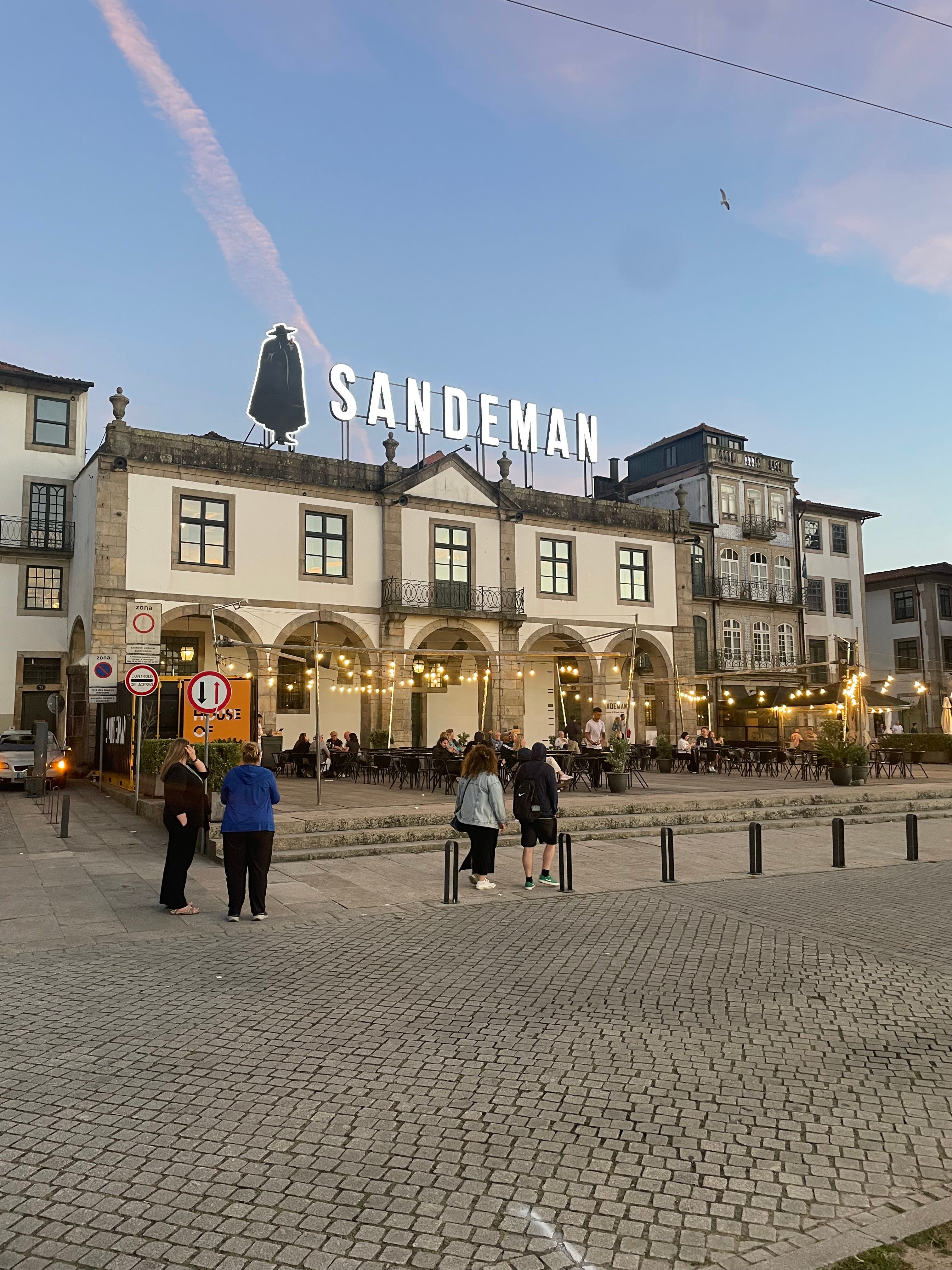
Could you drive two hours to the Douro for tastings in the vineyards? Sure. But it’s called port because the fortified wine is aged for decades in the humid air near the sea.
The port houses are on the other side of the river from the Porto, a five-minute walk over a charming bridge to a town technically called Vila Nova de Gaia, but which is definitely still Porto, no matter what the Vila Nova de Gaians say. My friend Clive Pursehouse booked an 11 a.m. tasting at Niepoort, which is up a steep hill behind an unmarked door.
I love port. Sitting in a big leather chair after dinner and drinking port while reading a presidential biography that I pretend to like is my ideal evening. Assuming people I want to impress are watching. Otherwise, it’s sex.
Port is two great things - wine and dessert - combined into something greater than its parts. Now I was going to drink port at a port house in Porto. And Substack allows me to pretend someone is watching me.
The day before the Niepoort tasting, I went to the Port and Douro Wines Institute, where the tour guide explained that port is made from a bunch of different grapes grown at different elevations on a nearby mountain and then blended down in Porto. What I took from that was that I didn’t have to bother to learn any grape names.
He poured us a white port, which is a port made from white grapes and good for, I don’t know, maybe drinking while you cook or for serving with shellfish as a prank. There’s rosé port, which I have never had and never will. It’s supposedly sweet and cheap, and I’m sure it is the focus of a lot of T-shirt puns.
There’s tawny port, which is oxidized a little like sherry and is nutty and sweet and intellectual. Then there’s ruby port. It’s the dark, red sweet thick stuff that makes you feel like you’ve gotten full tenure and can start saying crazy stuff to your students in class.
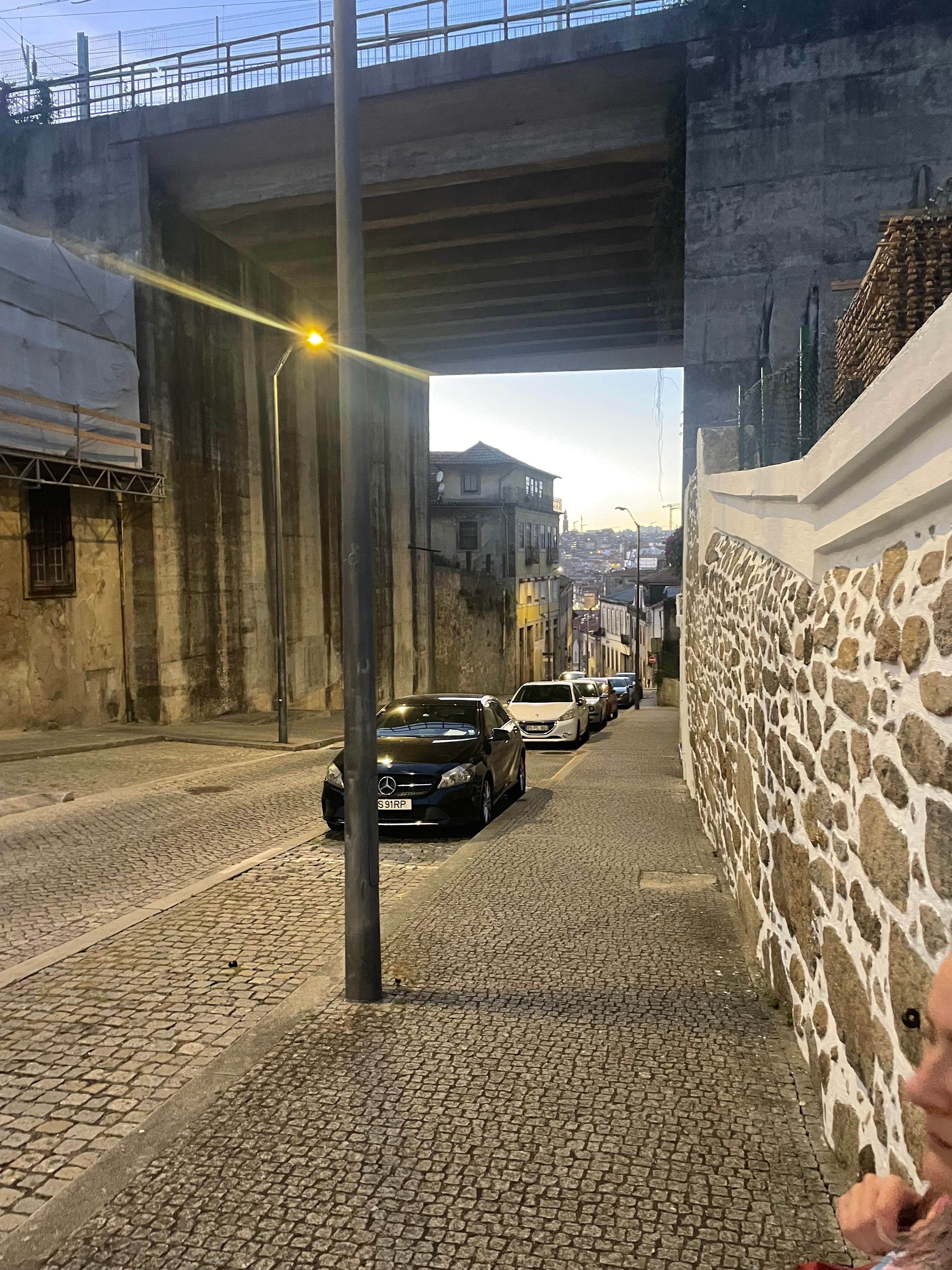
We walked down a little alley, rang a doorbell, and a woman opened the door and made us wait for our host. The place looked as if Disney had made a Port Winery ride. There were spiders on the huge wooden ceilings of the 184-year-old building. Dusty bottles on shelves. Right near the door, three men tried to pry open a safe that had been sealed for decades, its insides containing treasures they only dreamed of. An old bottle? Doubloons? The skeleton of an Englishman who had gone too far with the grape stomping demands?
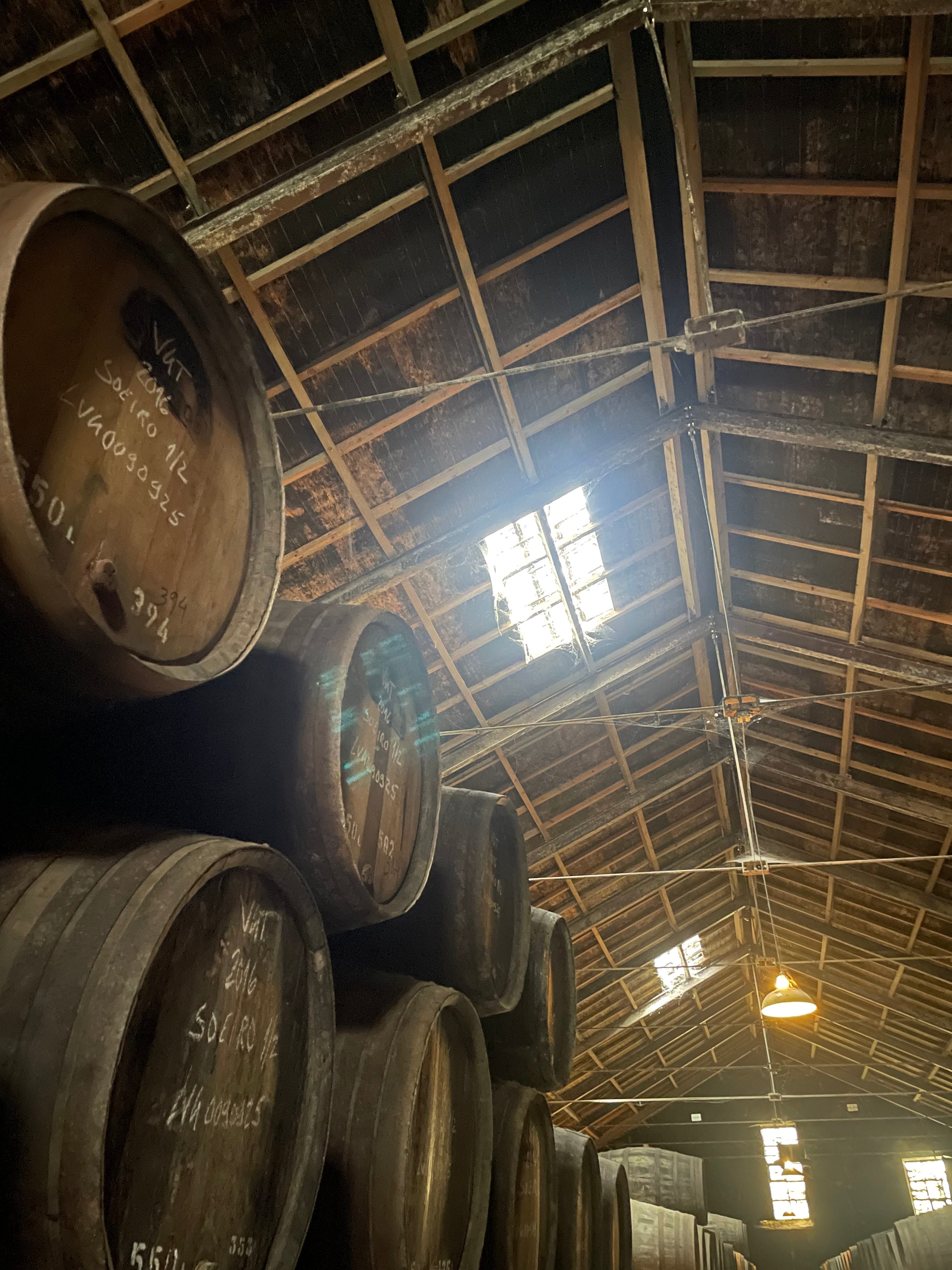
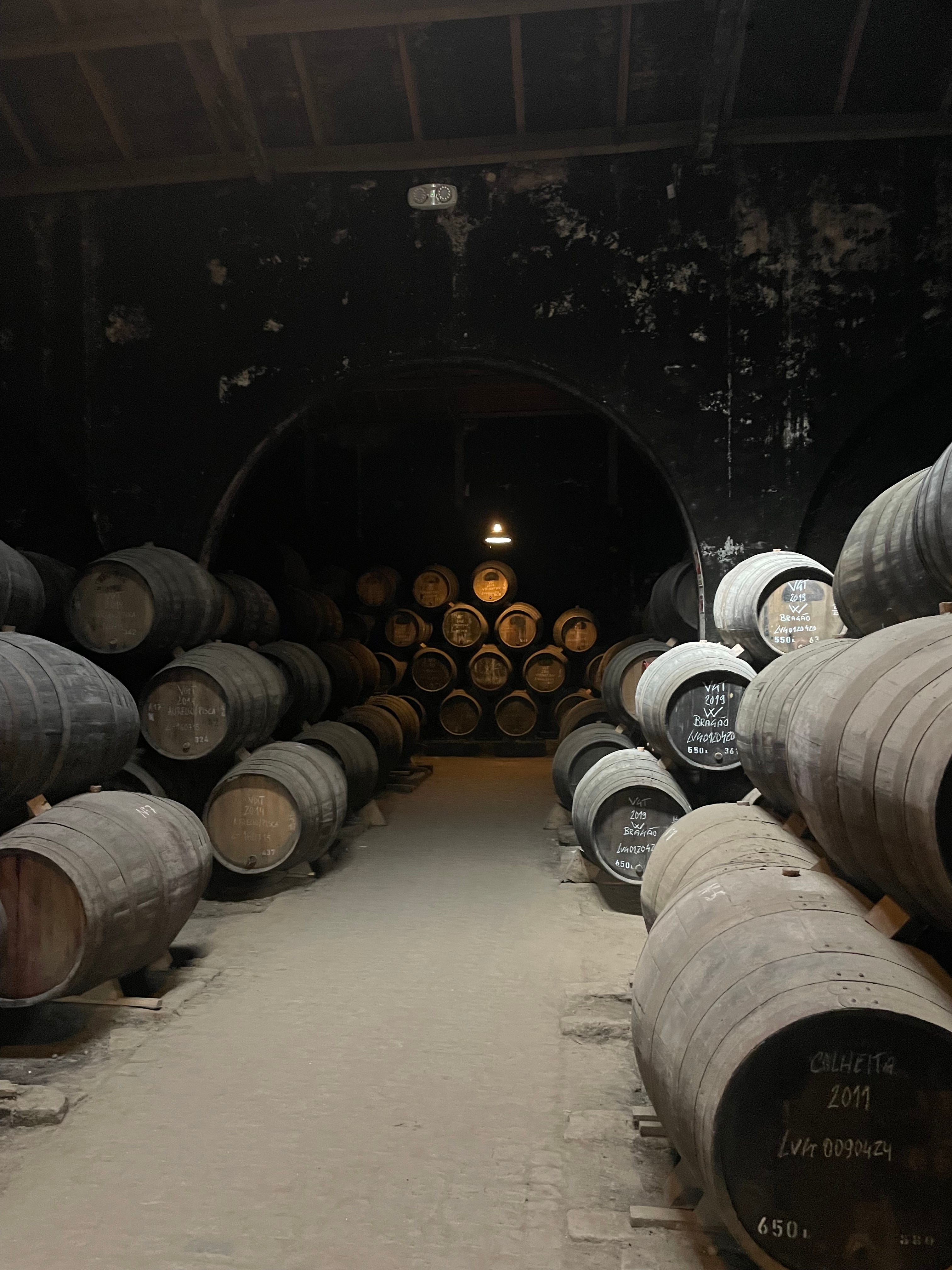
Niepoort is a sixth-generation family-owned winery, founded by a Dutchman whose last name seems way too convenient for a port maker. The tastings are $50, but we corruptly accepted a free tour in a special room downstairs where they keep the very old stuff and have closets for club members to keep their wine.
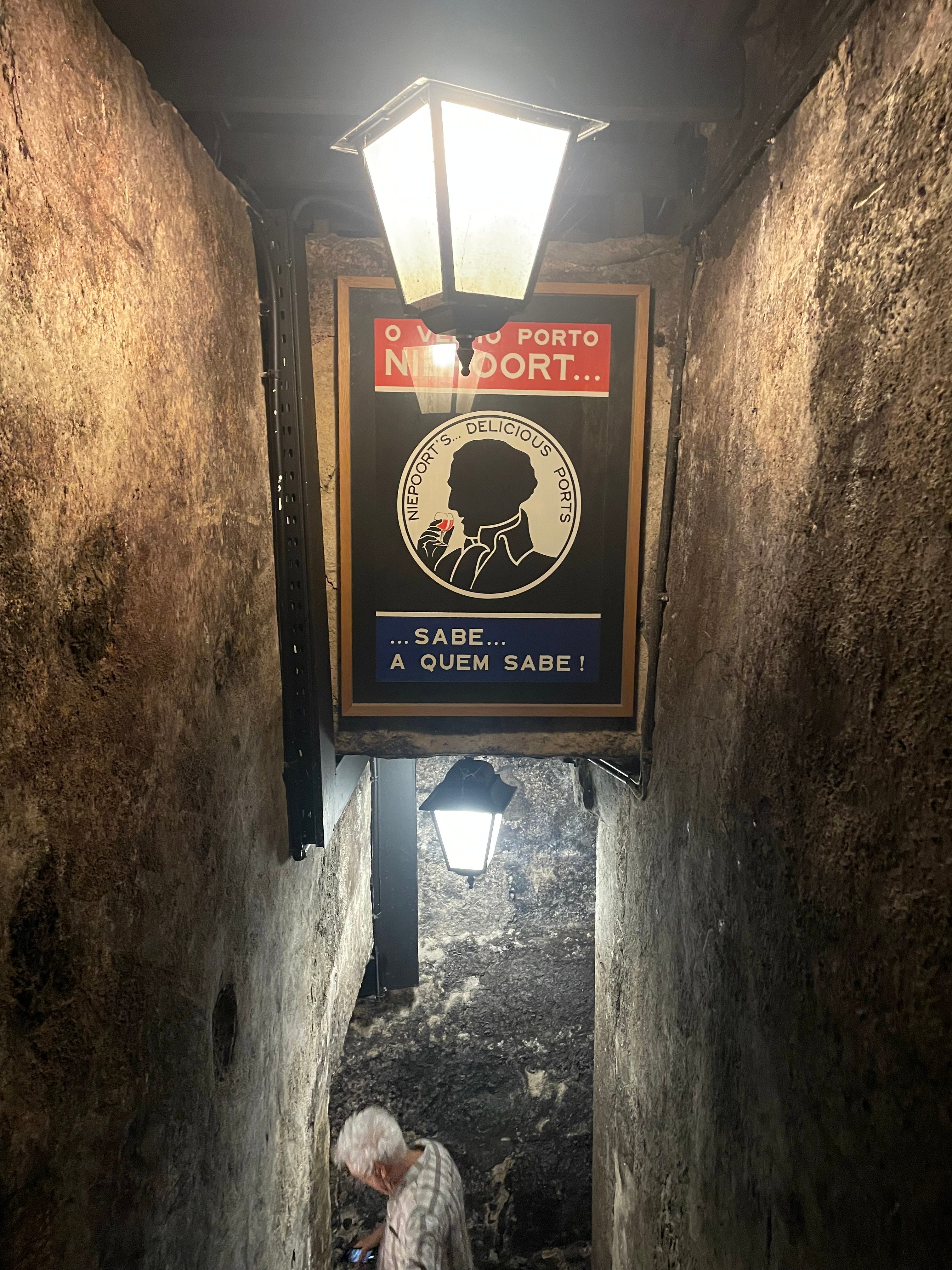
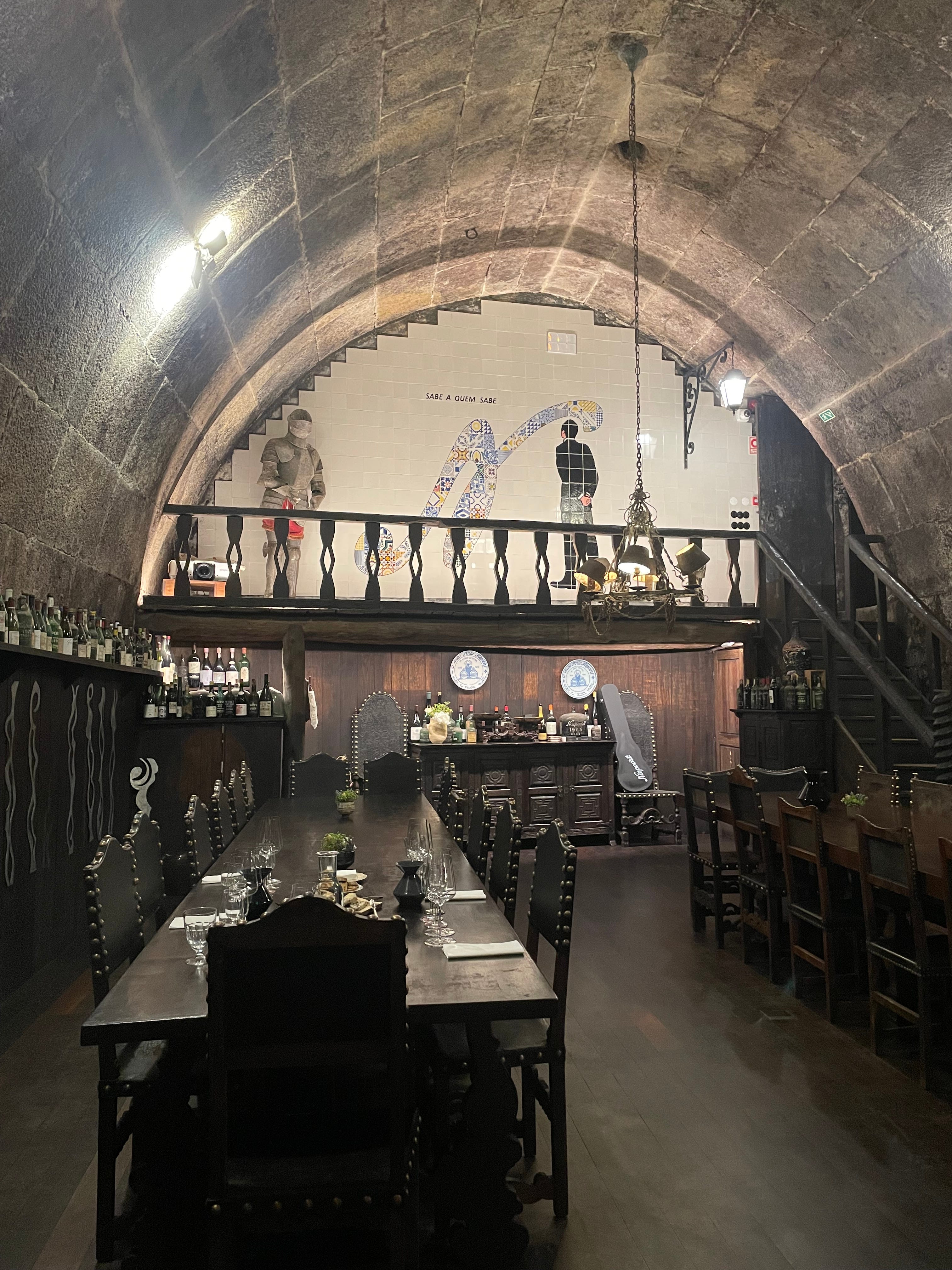
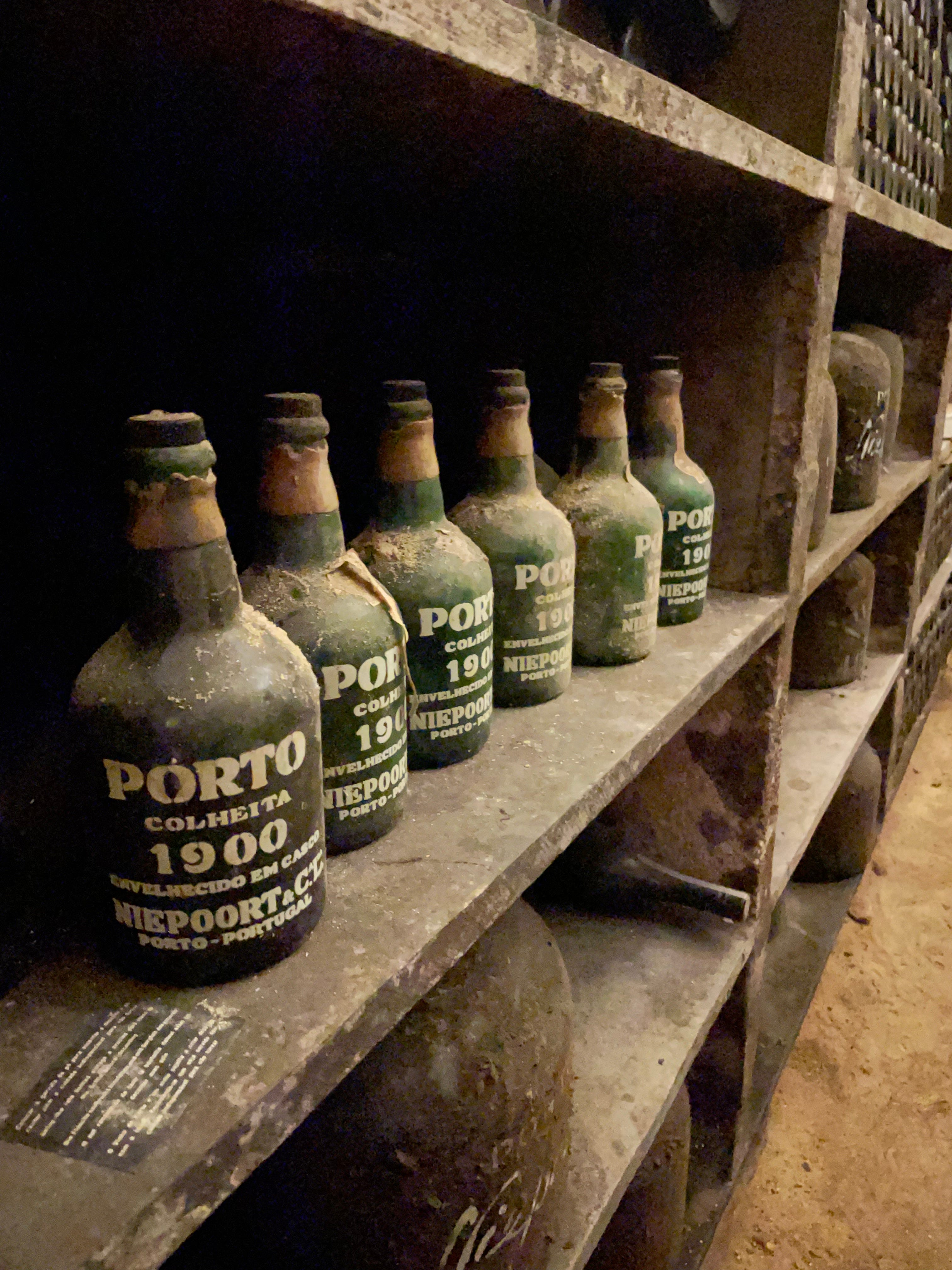
We were shown around by Laura Lopes, whose grandfather started growing grapes in their backyard and making wine for his family. Now she’s going to utilize her winemaking skills and sell it.
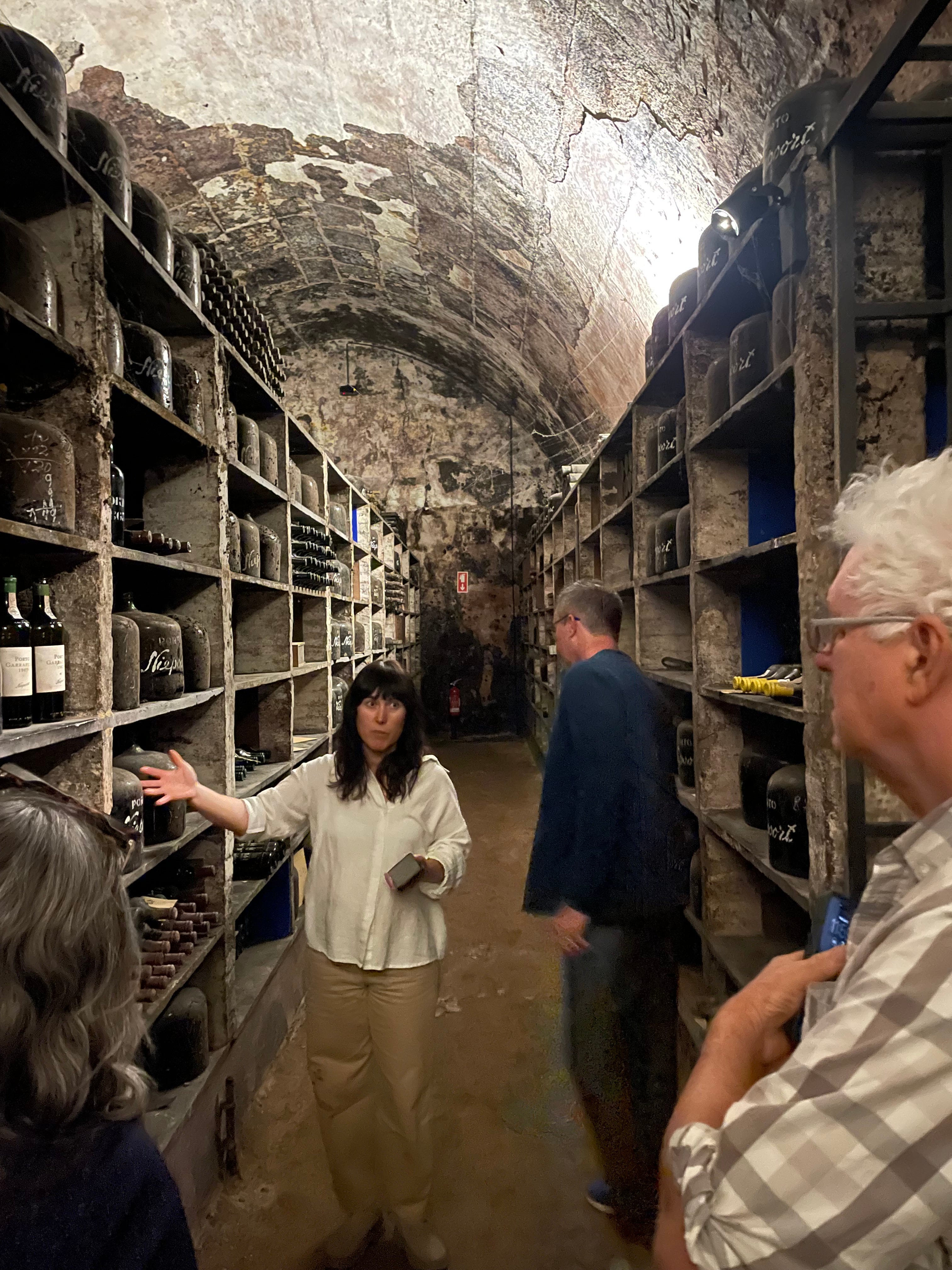
Laura charmed us so much that Clive said, “We should invite her to dinner, right?” I said, “Laura has two sons and a husband!” Clive looked at me like I had uttered a non-sequitur. As if I said, “Laura likes Dixieland jazz.”
Laura indeed said that she had a dinner scheduled with her family and her extended family. And sure, she’d like to join us instead. Also, she told us that when she cooks at home, she likes to listen to Tuba Skinny.
The house makes several non-port wines, which were excellent.
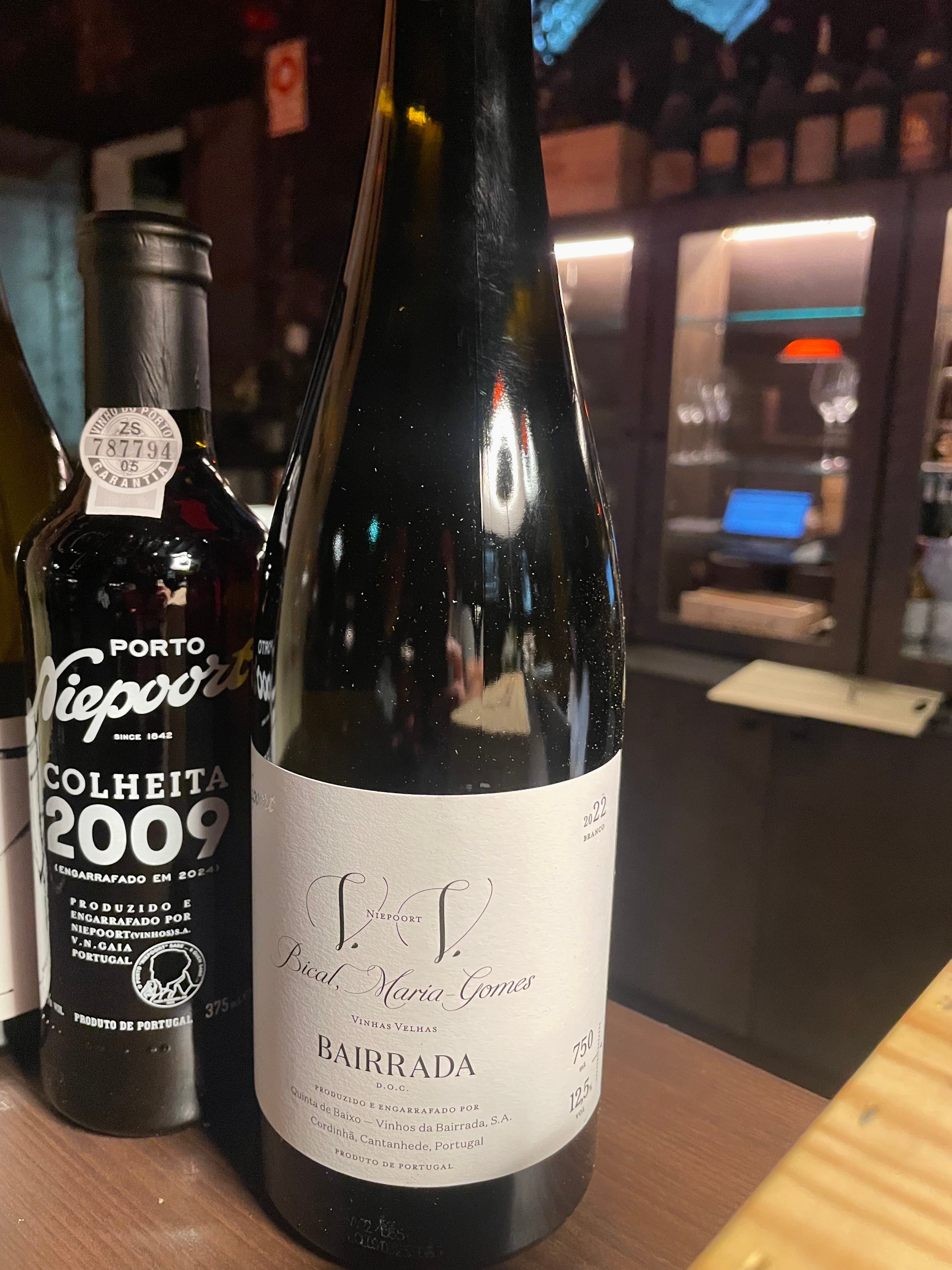
As we were drinking them, one of the owners came by. He was not a biography-in-a-leather-chair-looking guy.

He sometimes will answer the doorbell, and if a visitor without an appointment comes by, he’ll invite them in for whatever party he’s throwing. I’m sure he didn’t want me to tell you that.
Niepoort makes insanely good ports, including one they made up that is half tawny and half ruby that I will seek out the rest of my life.
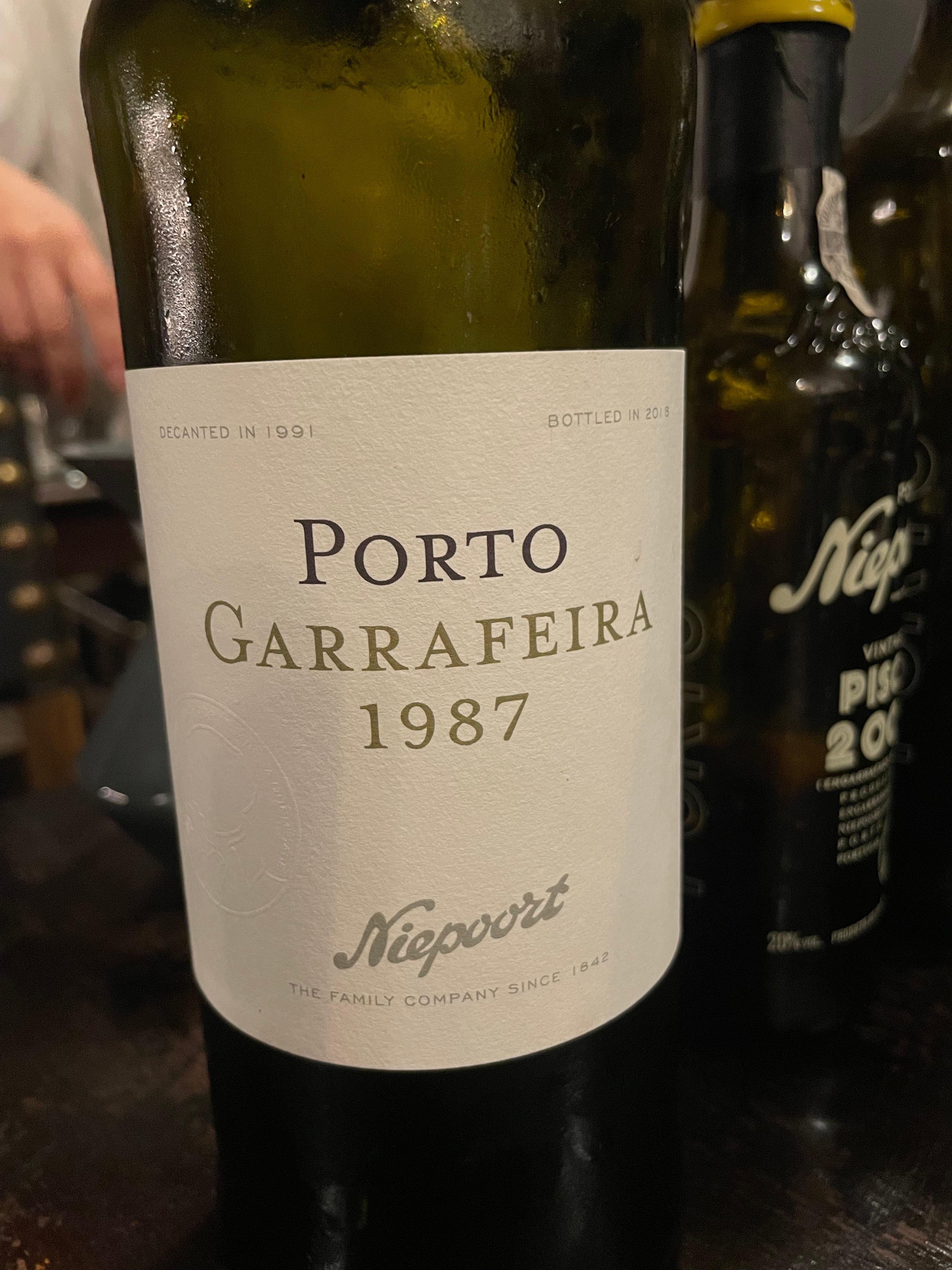
I left elated and buzzed, not even saddened that the open safe we passed upon leaving was as empty as Al Capone’s vault. Laura met us at a seafood place out of town and brought two bottles of wine she had made. They were great and real, and I long to have them again. But I wish I had spent more time drinking port in Porto. I’ll have to make up for it at home.
A particularly funny and interesting post, Joel. I too love ports and was surprised to discover a pretty good one in Missouri of all places. I lived in St. Louis for 17 years, and there's a significant wine region located west of the city. Most of their wines are mediocre and on the sweeter side of the spectrum, but the ports are terrific. It's unfortunate they're unable to compete with the Portuguese or California ports.
The corruption oozes